
Designing for Everyday Connection
Designing for Everyday Connection is a system of experiences that invites parents and children into shared moments of engagement and play throughout the day, with low-friction digital and physical products.
In today’s demanding, always-on work culture, parents often move through work, and daily responsibilities exhausted and out of time. Parents of children — especially ages 5 to 8 — default to handing their kids screens, often leaving them alone to be absorbed into content. And when a moment does open up for parents, they struggle with taking away the screen and stepping into their child’s world of play.
Over time, opportunities for connection can fade, interactions can become more passive, and the relationship can weaken. For children in this important stage, this absence of active parenting can disrupt co-regulation, secure attachment, and emotional language they are still developing.
Beneath this is a deeper mismatch: children connect through play and shared activity, while parents connect through conversation and care. Even when both want closeness, they are operating in different modes. Exhaustion, time scarcity, and the lack of a clear entry point into play make it difficult for parents to bridge that gap.
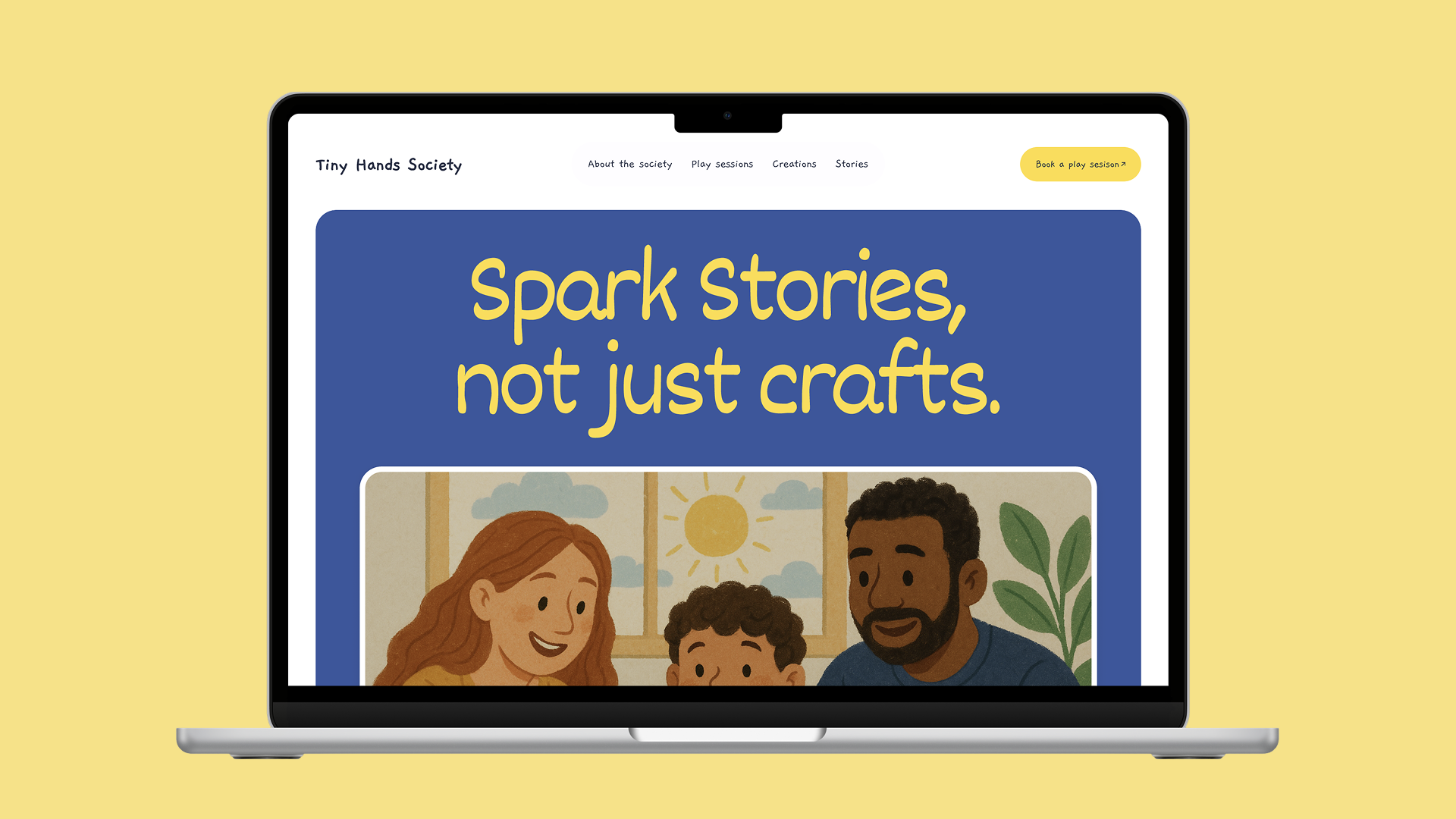
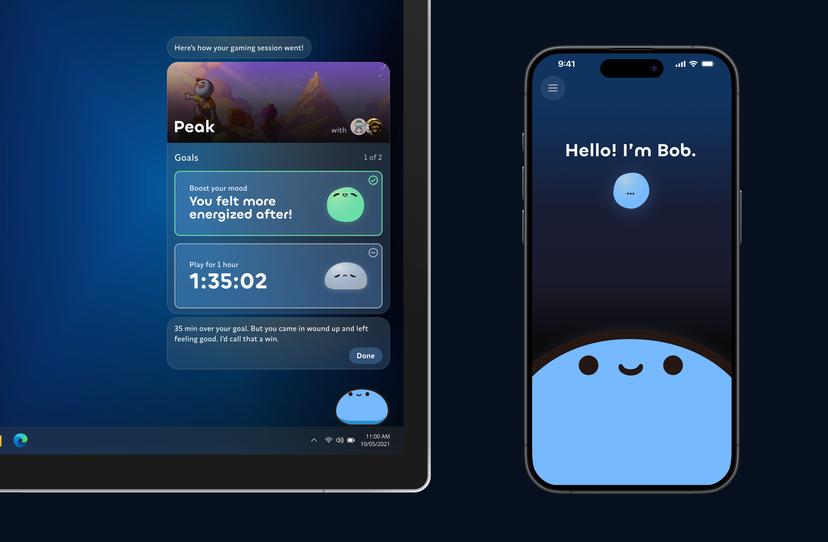
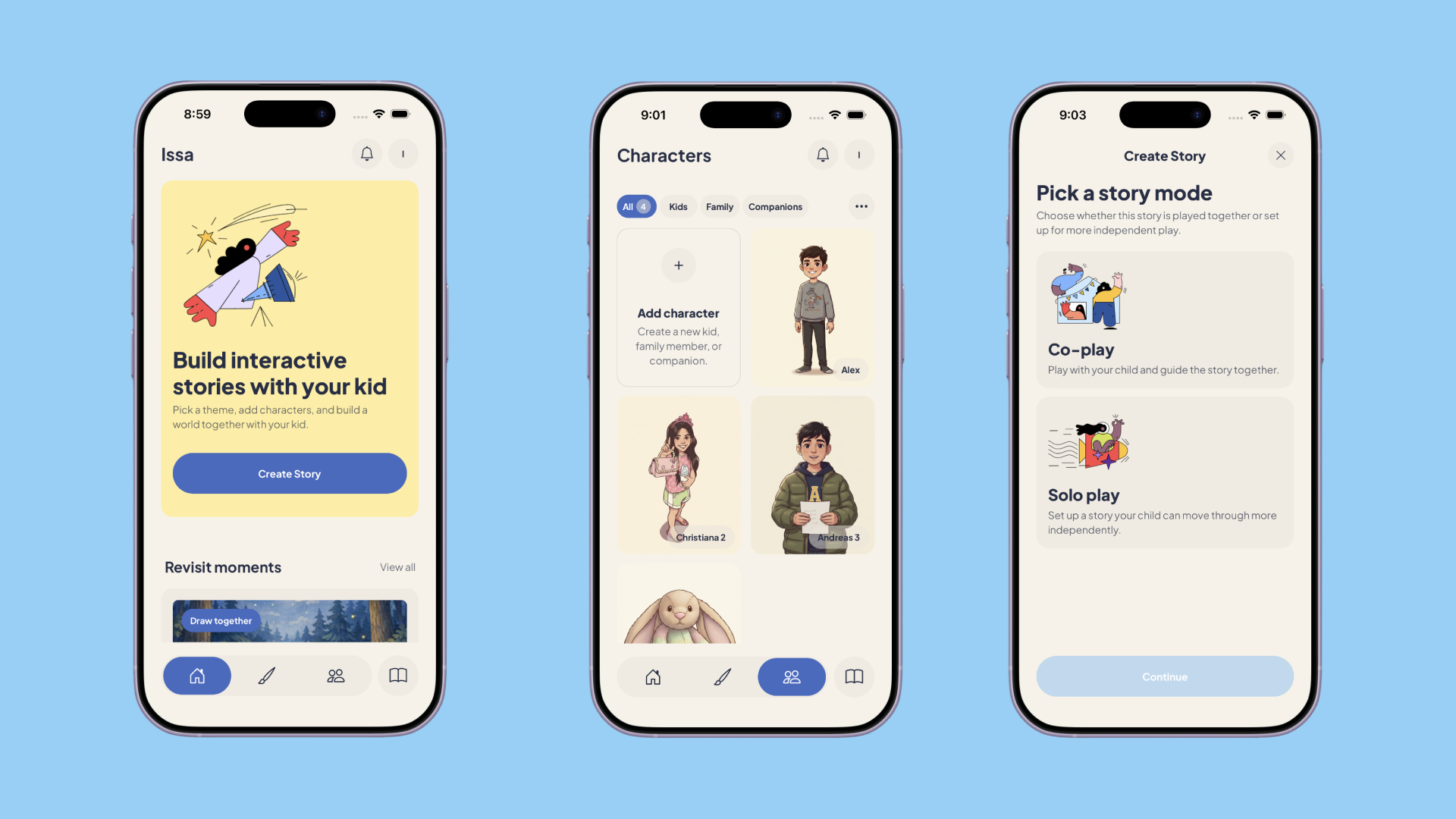
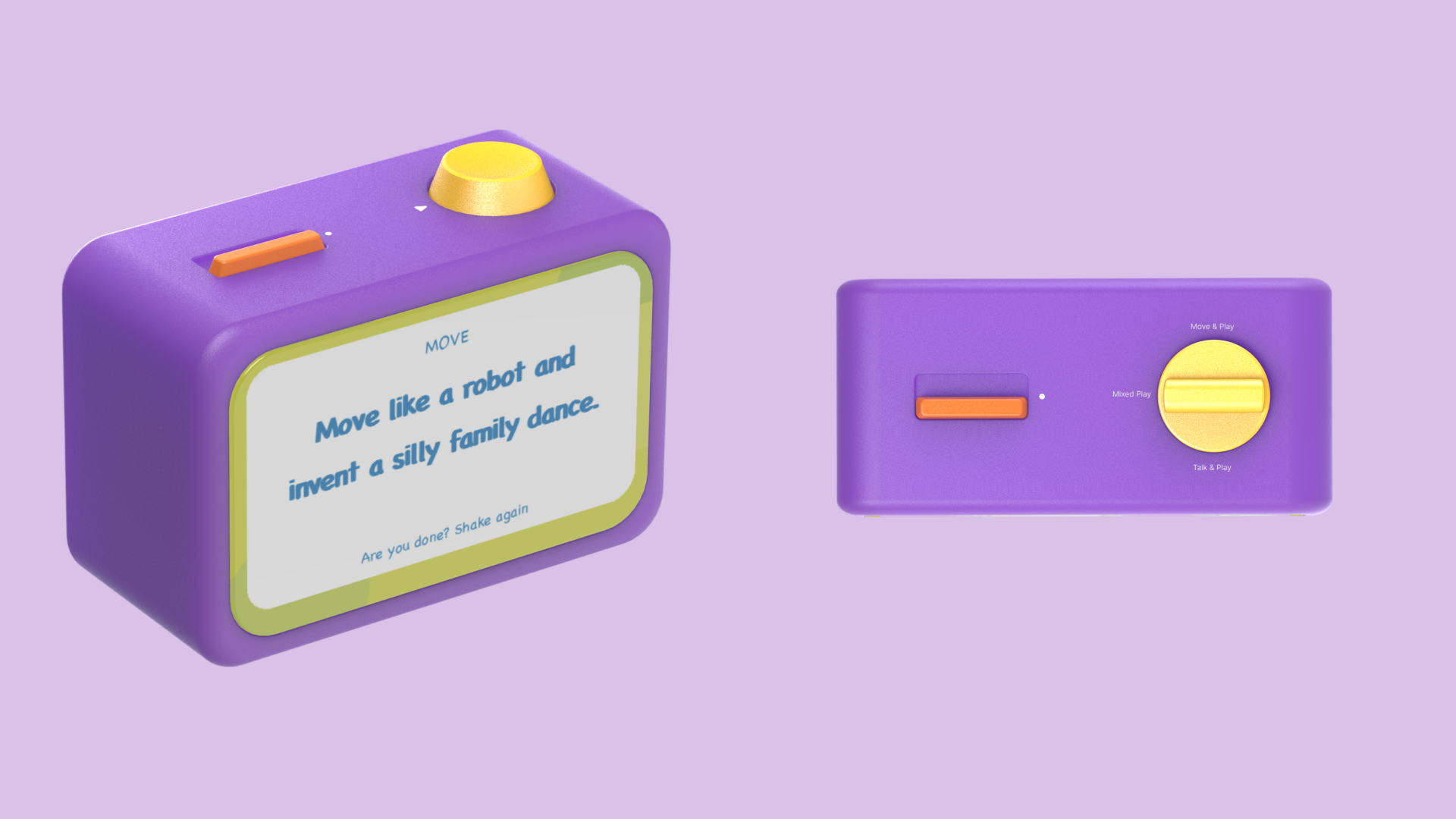
To tackle this problem, I have developed a system of three experiences, each designed for a different level of parental availability. Together, they act as entry points into connection, spanning a spectrum from quick prompts, to guided co-play, and to more dedicated shared time.
The overall goal is to make the value of play visible to parents and to build positive play habits. It supports strong parent–child connection while supporting the child’s sense of security and emotional development.