
Felis
This project was selected for the AIGA Fresh Grad Showcase of 2026.
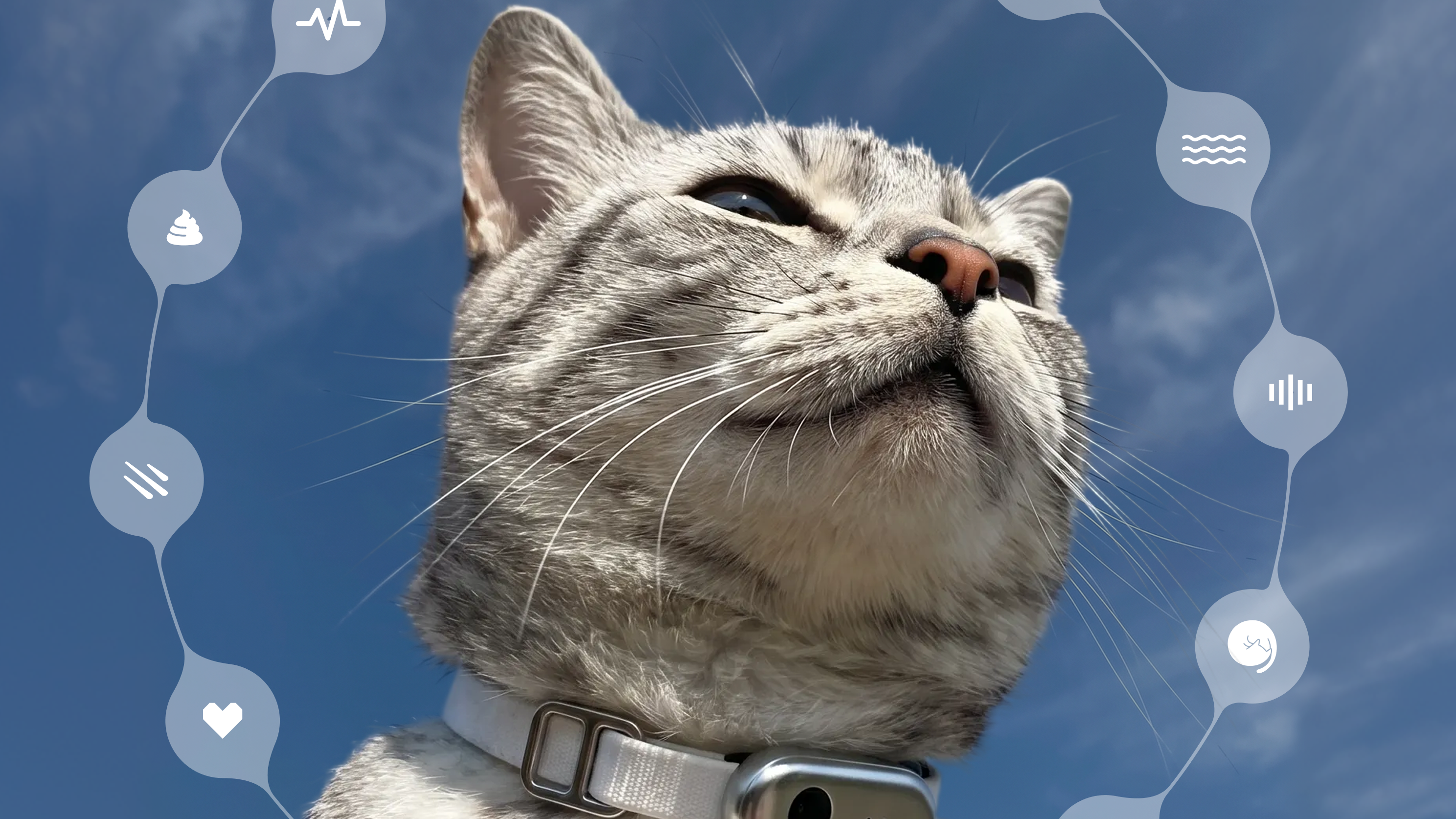
Felis is a multimodal biosensing system that bridges the gap between feline expression and human understanding, turning everyday pet routines into opportunities for preventative care.
Despite thousands of years of domestication,
cats remain legible only in fragments, their
behavioral signals are easy to miss, easier to
misread. By designing a system that senses,
interprets, and communicates behavioral
patterns, my work aims to transform uncertainty
into informed care, enabling timely intervention,
and strengthening the human–animal bond.
I explore how technology can bridge the
gap between feline behavior and human
perception, reframing everyday pet routines as
opportunities for preventative care. Cats are
notoriously hard patients, as both predator and
prey in the wild, they instinctively mask pain
and illness to avoid appearing vulnerable, which
means problems are often caught late and pet
parents are left second-guessing what's normal.
Introducing Felis, a multimodal biosensing
system that translates feline behavior into
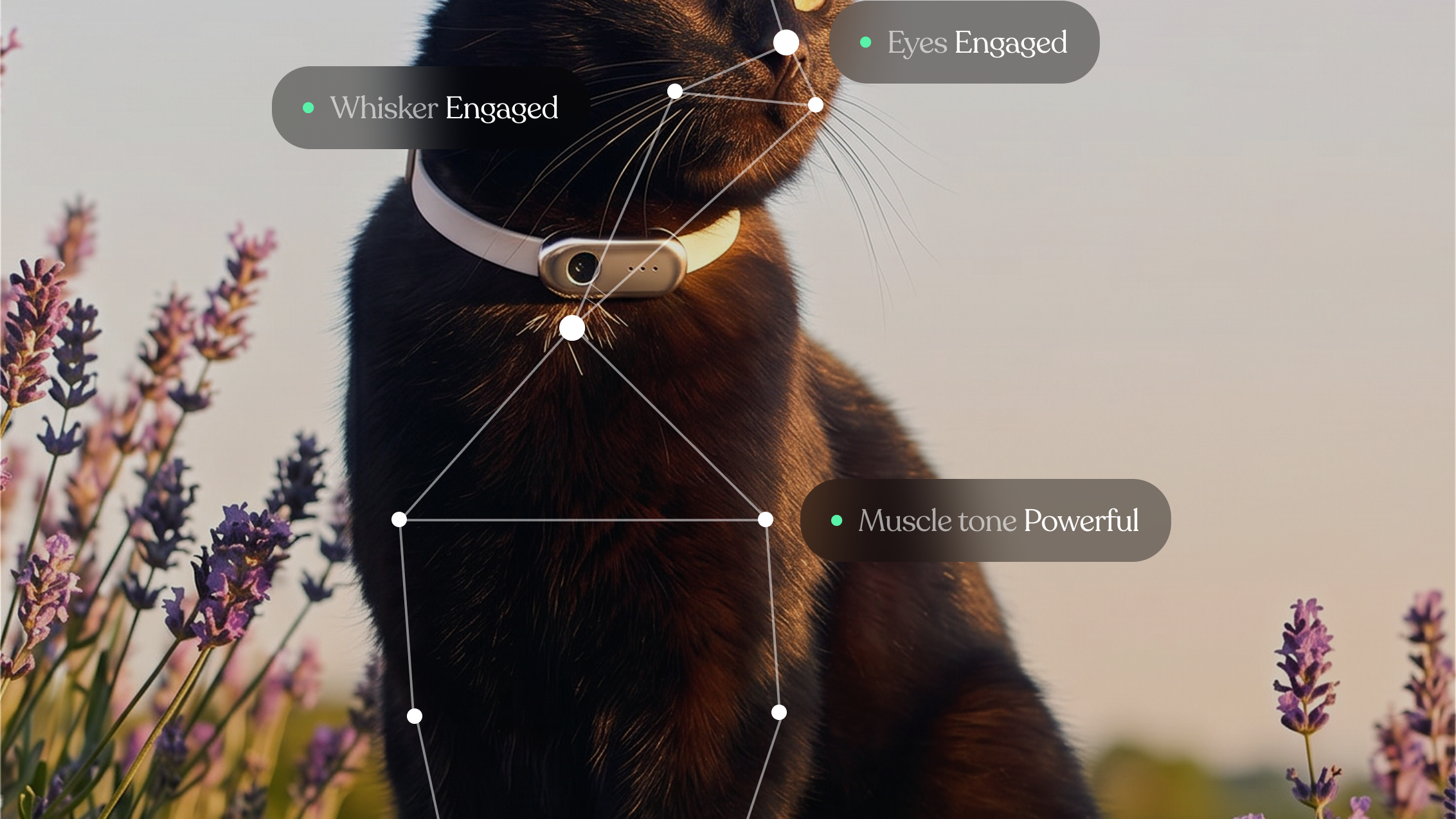
actionable insights. The system consists of
a smart collar equipped with a camera, heart
rate sensor, and accelerometer, paired with
a companion app that contextualizes these
signals into meaningful feedback. Rather than
presenting raw data, Felis interprets patterns
over time and surfaces them as three core
indicators of well-being: health, comfort, and
enrichment. Deviations across these dimensions
are highlighted early, enabling more timely and
informed care decisions.
An integrated AI layer allows pet parents to
query behaviors, uncover patterns, and better
understand changes in their cat’s condition,
transforming passive monitoring into an
interactive, interpretive experience.
The design process evolved iteratively,
beginning with Iris, an AI-based image
interpretation tool for decoding feline body
language. Through user feedback and usability
testing, the system expanded into a more
embodied and continuous sensing approach,
grounded in the specific context of individual
pets. This process emphasized not only what
data is captured, but how it is translated and
communicated in ways that align with human
understanding.
By shifting from reactive to preventative care,
this work aims to reduce uncertainty, strengthen
human–animal relationships, and support more
confident, timely pet parenting.