
Node
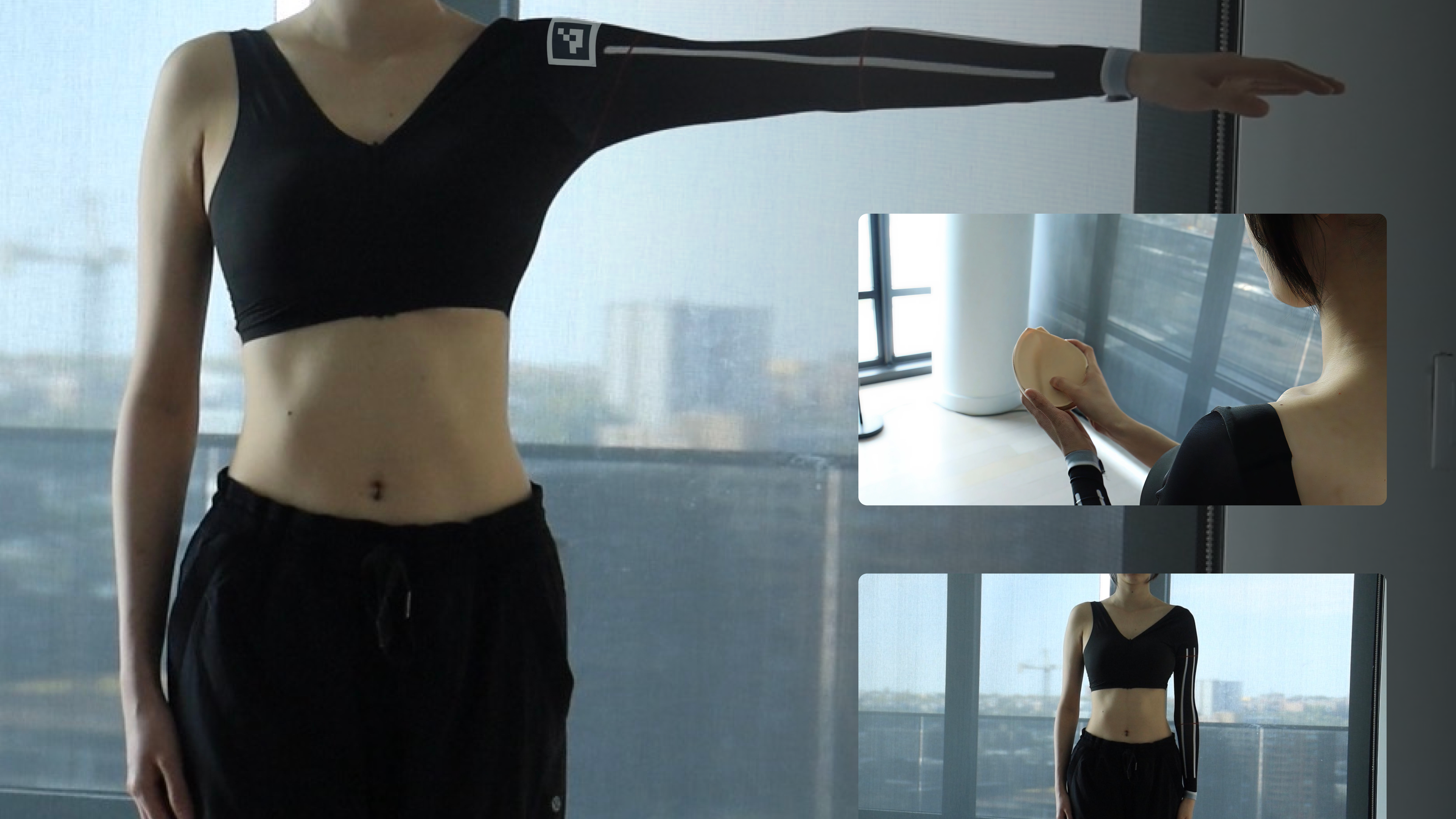
To bridge the post-surgical care gap, this project introduces a wearable and SaaS ecosystem that provides precise lymphedema tracking and structured psychological support for breast cancer rehabilitation. It also helps patients visualize their recovery as a way to mitigate anxiety during physical changes.
In the current cancer-care landscape, a significant gap exists between acute inpatient care and post-discharge recovery. For patients required to continue treatment at home, there is often a lack of structured guidance to navigate the
complexities of rehabilitation. Current systems frequently fail to address the multifaceted needs of these patients, including long-term physical rehabilitation, intense emotional fluctuations, and a diminished sense of self-confidence.
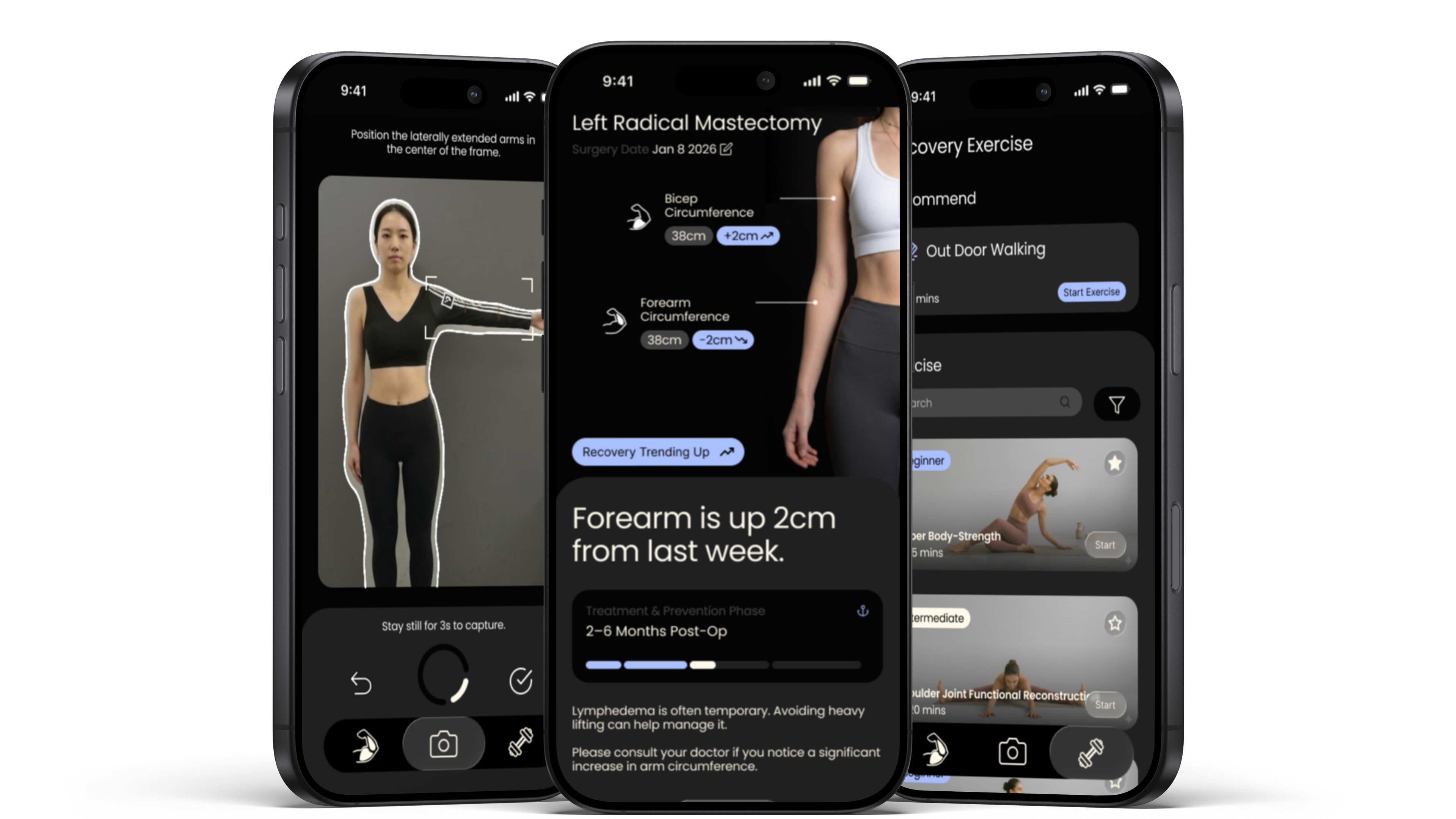
To bridge the post-surgical care gap, this project introduces an integrated wearable and SaaS ecosystem for breast cancer rehabilitation. This human-centered solution rests on two pillars: precise physiological tracking of lymphedema, a condition of localized swelling caused by a compromised lymphatic system often associated with recovering from breast cancer surgeries, and a structured framework designed to mitigate anxiety by helping patients visualize their real-time recovery progress as they undergo post-surgical changes.
Developed through in-depth interviews with oncology researchers at Shanghai Jiao Tong University [Feng Cheng], this project ensures clinical relevance and empathy. The ultimate objective is to empower patients to transition from merely "surviving" to "thriving," fostering a resilient mindset as they navigate the physical and psychological challenges of cancer recovery.