
Wiser

What if your home could truly understand you—and act before you even ask?
Mark Weiser, father of ubiquitous computing, once envisioned that the most effective technologies are those that quietly operate in the background, allowing people to focus on what truly matters.
I believe that in the era of AI agents, the next generation of smart homes will go beyond smarter responses and better analysis. They will no longer wait for commands, but instead proactively call upon permissions and execute a series of actions to achieve meaningful goals.
Wiser is a proactive ambient agent designed for the home.It extends AI agency into physical space.
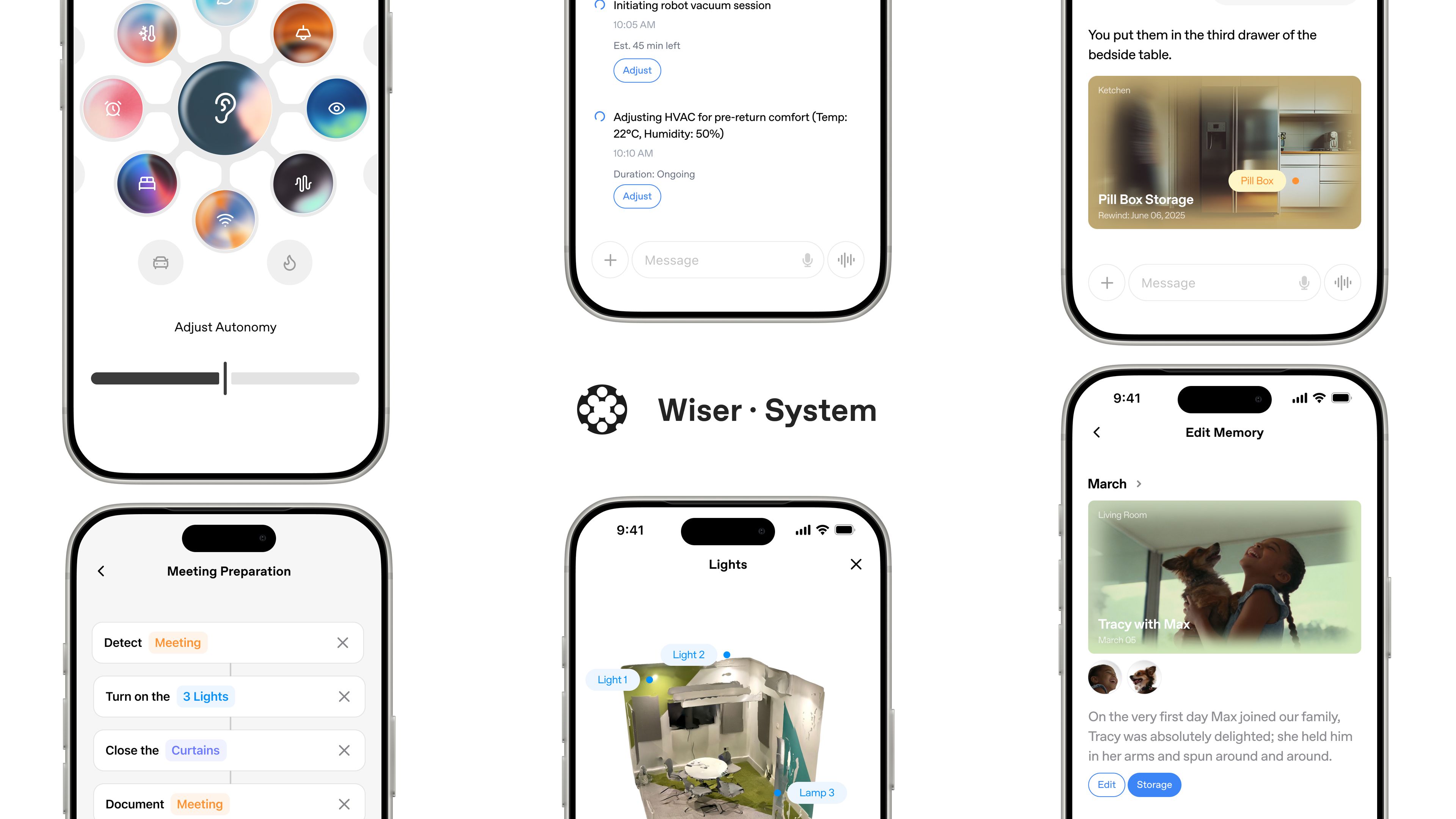
Through multimodal sensing, Wiser understands the real-time state of its environment. It maintains a private, evolving memory of interactions with its users locally, and uses this understanding to take action autonomously. For example, when you fall asleep, it turns off the stove, closes the curtains, and shuts down the TV—without even asking.
At the same time, this project reflects a fundamental tension in intelligent systems:the more a system understands you, the more it can help you—but the more it raises concerns around privacy.
Over the past decades, smart home technologies have evolved from early systems like X-10 powerline control, to voice assistants like Alexa, and now to AI-integrated systems such as Gemini in Nest. Each step represents a shift in control—a trade-off that makes life more convenient, while requiring users to relinquish a degree of autonomy over time.
This is where design plays a critical role:not to stop technological progress, but to shape it into something human-centered.
Wiser addresses this balance in several ways.Users can physically disable the camera, cutting off its visual sensing entirely. It communicates through expressive, metaphor-driven interactions, whether as a companion, or as subtle as a candle on a windowsill, building trust through presence rather than surveillance. Its level of autonomy is also adjustable, becoming more active when you’re away, and fading into the background when you return home.
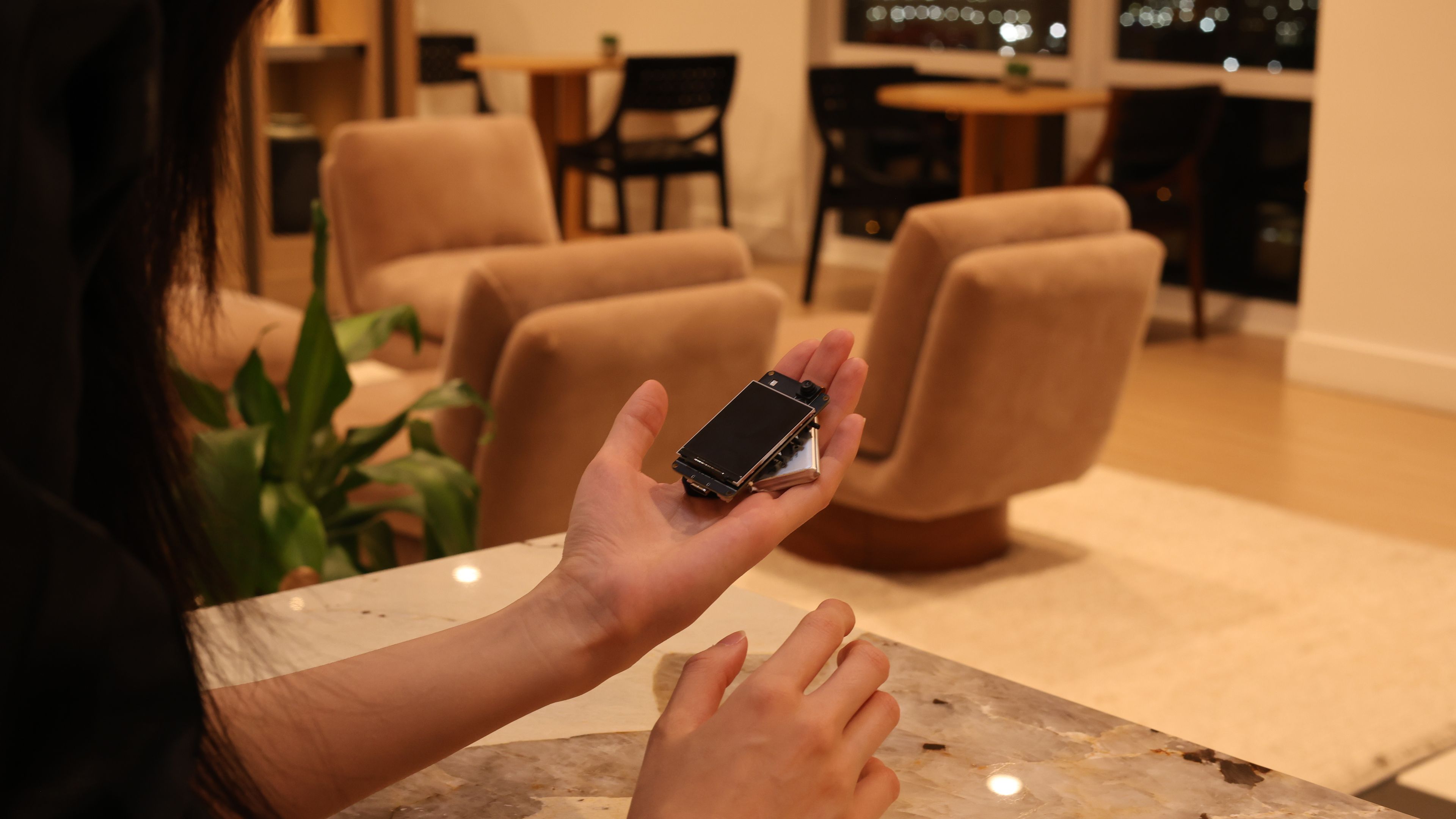
What does it truly mean to live with AI under the same roof? Wiser proposes a future where intelligence acts proactively on our behalf, while maintaining a responsible balance of control with us.