
The Importance of Noticing
If you Google or use ChatGPT to search for “top skills every UX or Interaction Designer should have,” you’ll get an exhaustive list of skills that includes problem-solving, empathy, user research, and visual design. However, there’s one skill that rarely makes it to those lists in spite of how essential it is: observation.
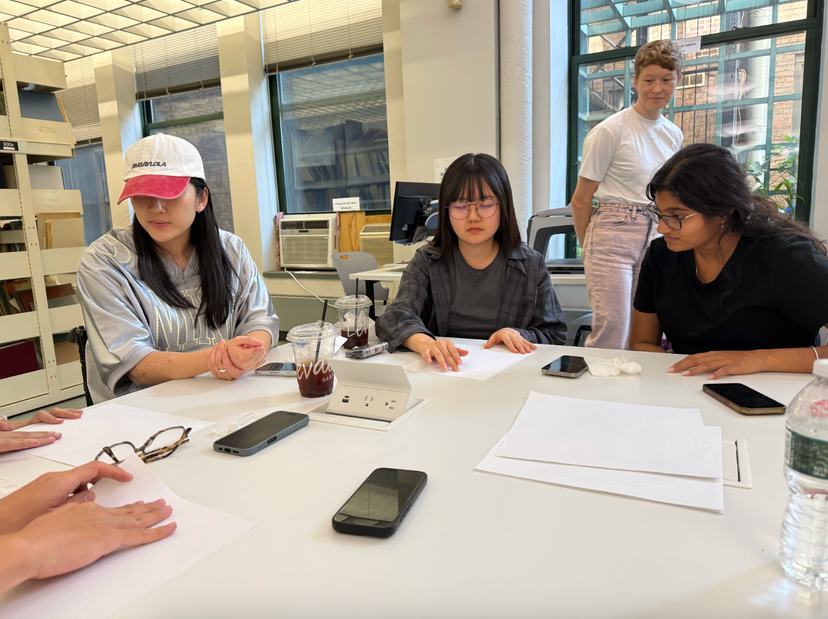
Every Wednesday for five weeks, our ixD graduate class gathered in various locations across New York City for our Thesis Lab (part A) class with Che-Wei Wang, visiting places as Central Park, Grand Central Station, and the streets of Chelsea to practice observation. No laptops. No phones. Just notebooks, pencils, and our attention.
Oxford Dictionary defines observation as “the action or process of observing something or someone carefully in order to gain information.”This is accurate, but after my experience in Thesis Lab, I would add another definition: the discipline of doing nothing but noticing, until patterns start to reveal themselves.
“Good design hinges on good insights. And good insights hinge on good observations. And good observations start with slowing down and paying attention.” Che-Wei Wang, ixD Faculty, 2025
Designers exist in the world to empathize with people, identify what pains them, understand their goals and needs, and pinpoint what is broken in a system. As we continue to make assumptions, create hypotheses, or even ask more questions about the why, proceeding with drafting a list of questions, synthesizing, and all that comes next, we often forget that observing, sitting in stillness, and observing can reveal much about the world around us.
In our first class, we did a “blindfold walk.” For twenty minutes, we walked through the city guided only by a partner. It was disorienting at first as we got our bearings. After some time, we began to hear layers of sound we’d never picked up before: the scrape of shoes, the echo of traffic, even the vibration of a passing train. I noticed how I instinctively began to use my hands to navigate. I also began to observe the many subtle accessibility challenges that often go unnoticed when you can no longer rely on your vision.
Two assignments stood out to me: observing a building three times a day and writing down thirty things you notice—including one that is so subtle that it’s quite possible no one has ever noticed it before. After completing these assignments, I realized that observation is like a muscle; it needs consistent practice and training to remain engaged. I realized that observation is like a muscle; it needs consistent practice and training.
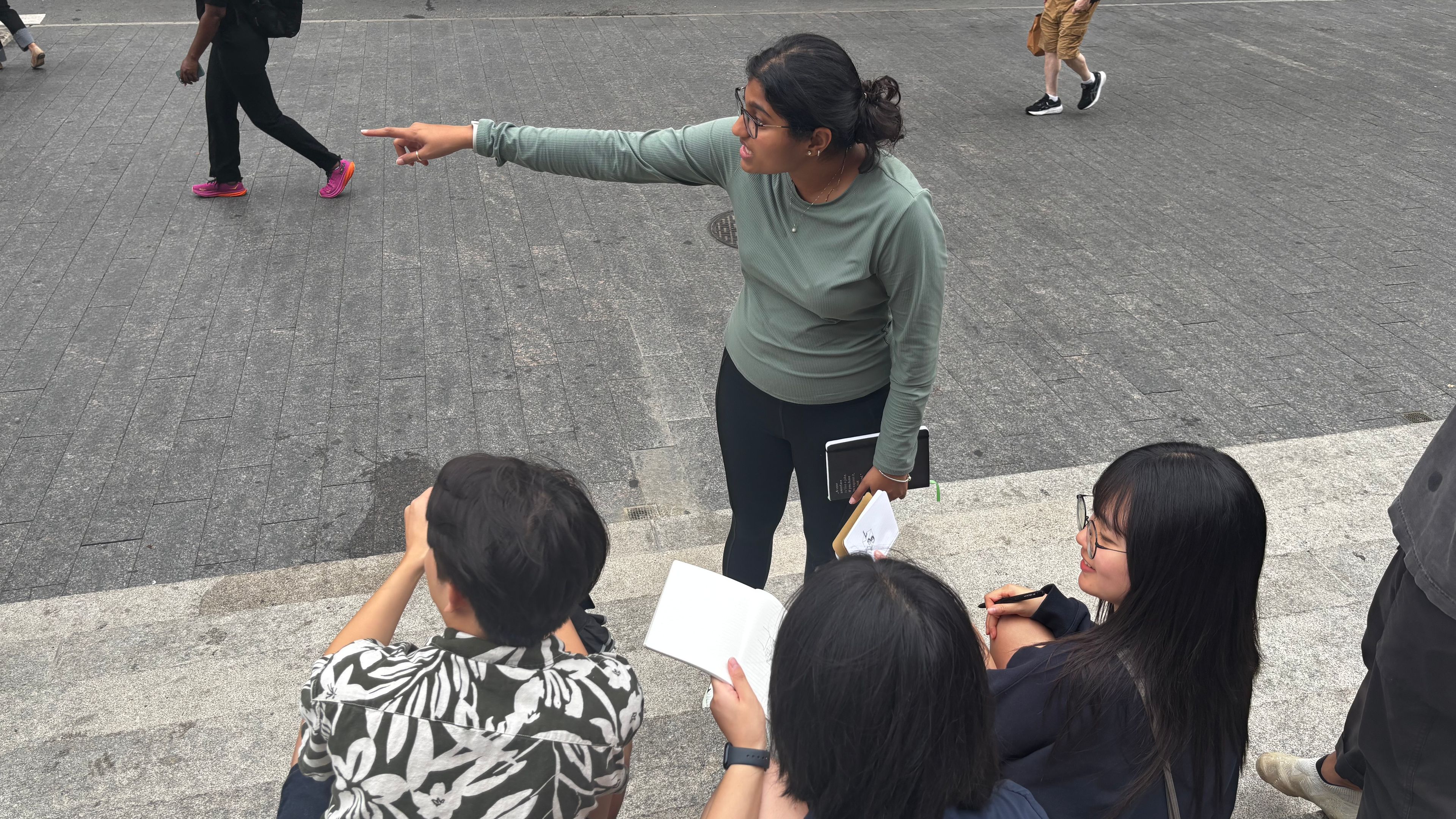
For the building observation, I chose my residential building because I was curious about what happens there during the morning, evening, and nighttime hours. I noticed that the reason the front of the building is always neat is that our super maintains it twice a day. As for the second assignment, I chose to observe a pedestrian crossing in Upper Manhattan. A few patterns began to emerge—for instance, how people carefully scanned for oncoming cars, even when the walk signal was engaged, I realized firsthand how observation can reveal a great deal about unspoken habits and behaviors.
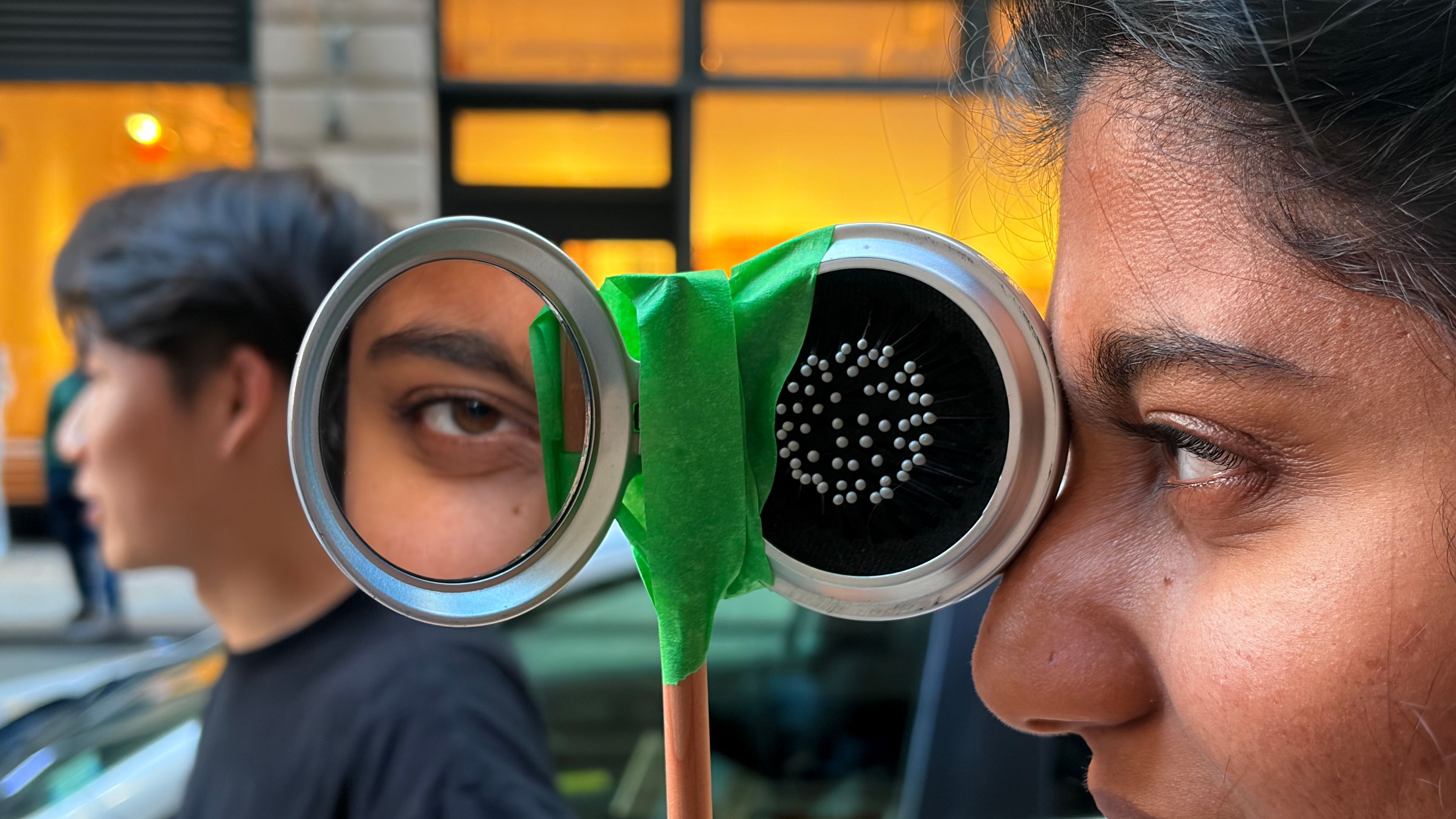
In our final class, our assignment was to create an observational tool. As interaction designers, each of us resorted to the resources with which we felt comfortable; thus, some of us built digital observational tools, while others used objects found at home. Then, we took to the streets of New York to test these tools, taking notes on what we observed and how each tool provided a distinctive perspective over the others.
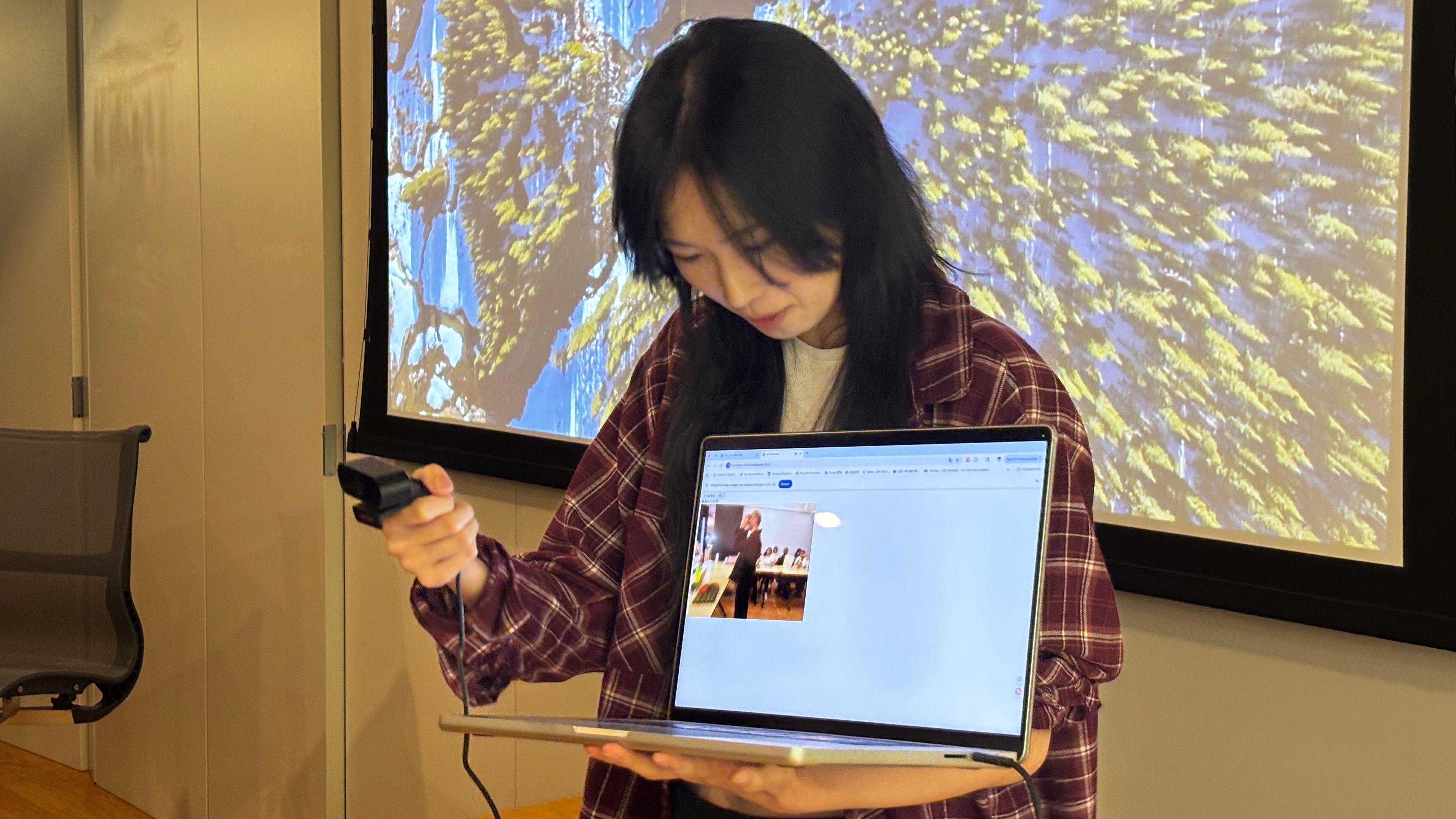
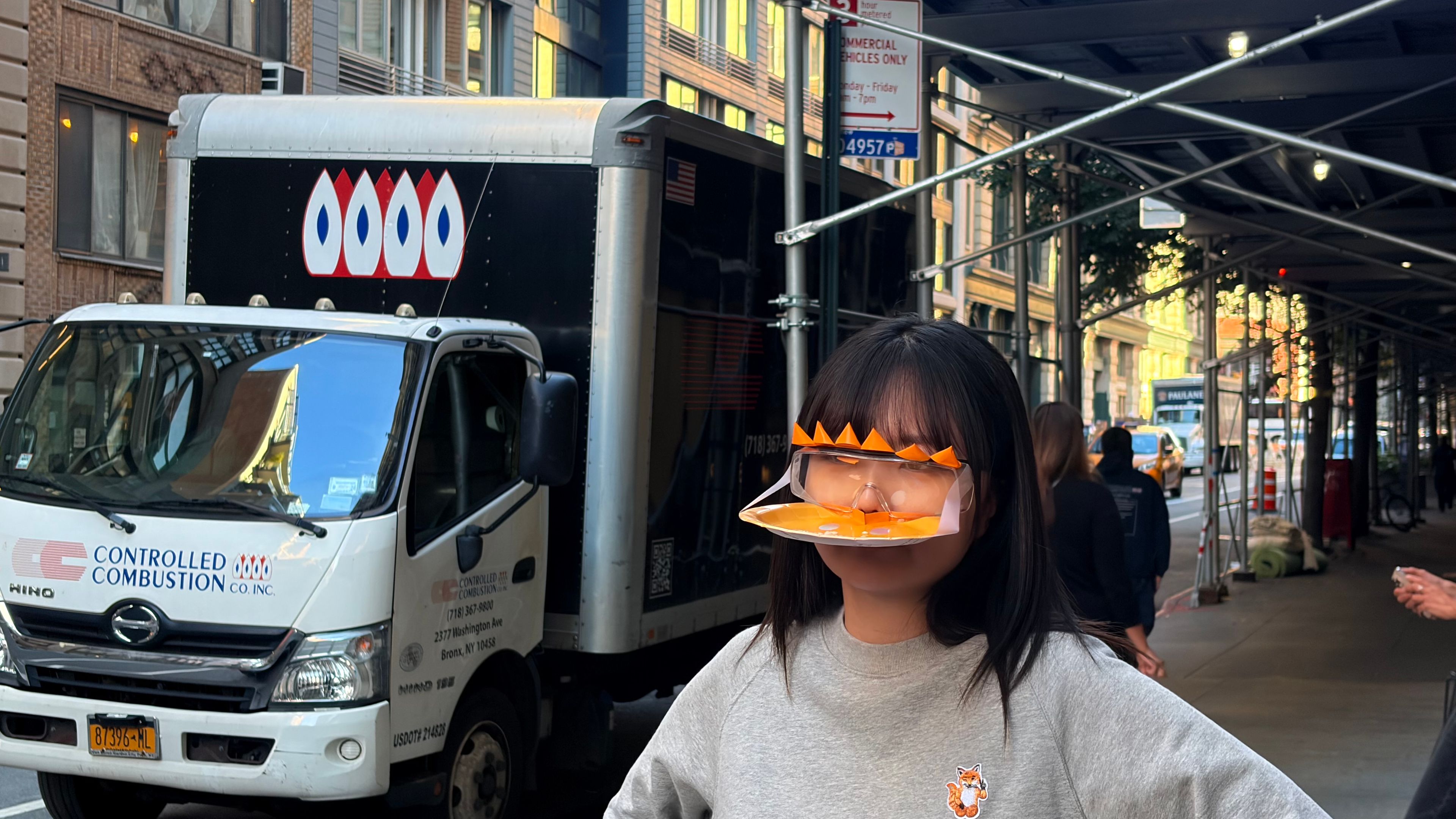
As the ixD cohort of 2026 continues through the thesis process, this class provided an opportunity for us to slow down and observe the world around us, broadening our empathy as designers by stepping out of our comfort zone into ambiguity and uncertainty. In this space, we were challenged to continually embrace new perspectives that will ultimately help us solve everyday problems through design.